3 STARS
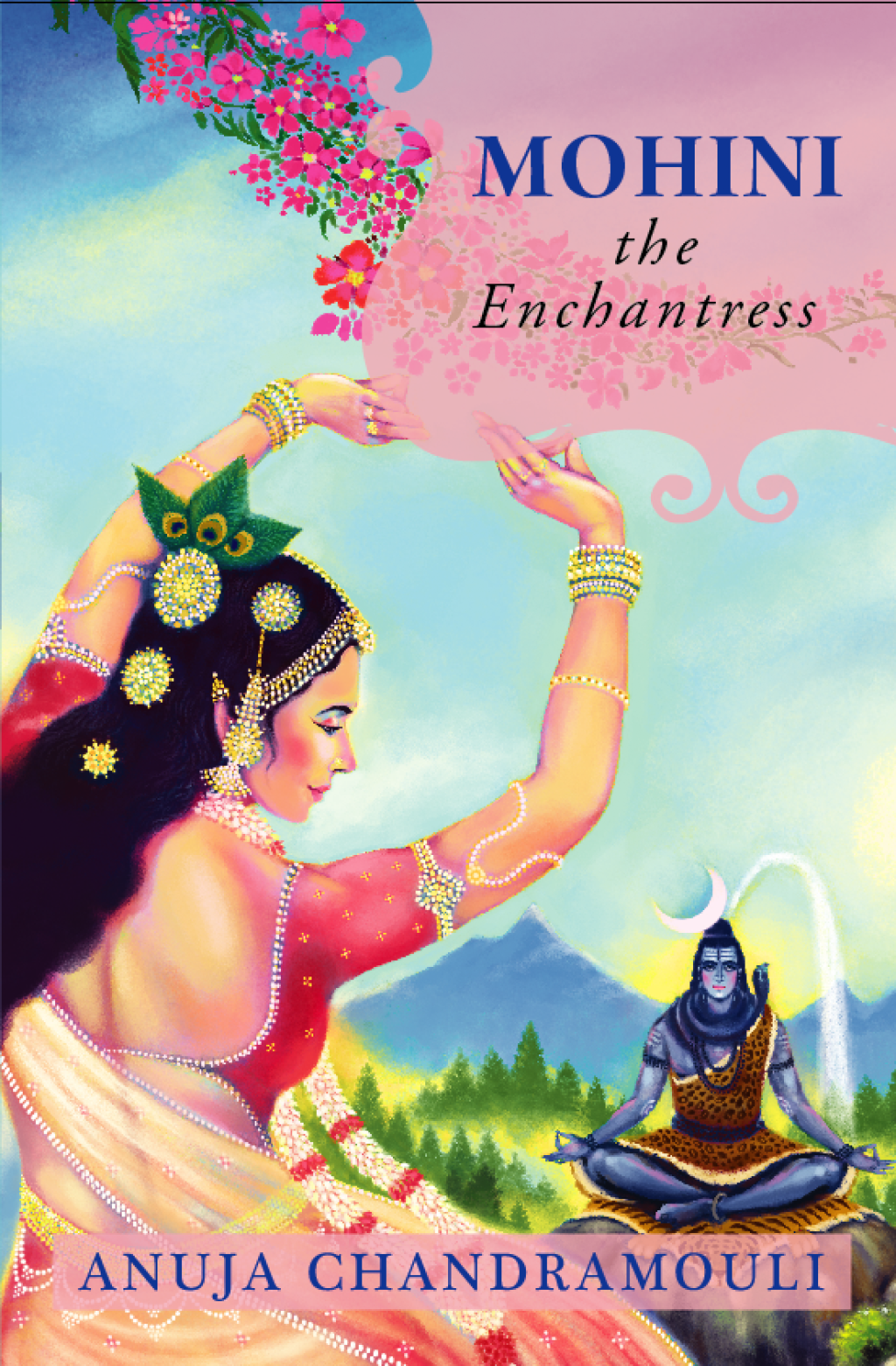
Never the one to pass up a free book or a chance to burn through gallons of stingily amassed ascetic merit in consumption of a highly passionate tale, I find myself once again at the cusp of unknown in ‘Mohini: The Enchantress’ by Anuja Chandramouli.
I consider myself well-read when it comes to Indian mythology but reading this book had shown me once again what I don’t know. From my reading of years before, I knew about the devas and asuras churning the ocean of milk in their search for amrit, I also knew about this avatar of Vishnu. But I didn’t know about what led to that epochal encounter, Indra’s greed or Mahabali’s desperation. I didn’t know about Brigu or Kavya or Shukra or Shastha or the tale of Chandra and Tara. Anuja is a terrific author and in her hands, mythology does come alive, we are transported to a different world of inscrutable gods and thundering sages.
From the very onset, I realized that this one is a passion project. It is one thing to retell a story as is, with its fair share of sexism & casteism brushed under the carpet or trying to pull a fast one over the eyes by using innocuous-sounding words for sordid deeds. But Anuja is not the one to stand for it. Throughout this book, she sheds light on characters who have been wronged, women who have been abused or raped by powerful men and yet held on a different scale of judgement than men are. She re-paints the black and white, good vs evil mythological palimpsest with a spectrum of colors and shades so that you may perceive the characters on a fairer, more equitable scale. She holds a mirror to the popular version of the tale and shows the reflection on how she would like it to be. And then she leaves it to the audience on whichever version they would want to believe. And that’s the beauty of our shared culture, there are so many interpretations and renditions, so many stories with different versions. I believe Anuja’s retelling is a worthy addition to that.
My only lament is that the writing is obscure and meandering in places. A lot more tell than show, and the titular character is hardly present in the book though we have her as the narrator. And sometimes I don’t know whether it is Mohini’s voice or Anuja’s voice when she says things like, “if you are looking for a simple story with a beginning, middle and end, you are going to be disappointed”, that she gets “distracted and there are frequent diversions” – such explicit setting of reader’s expectations is not required. Even before a tale is being narrated, the narrator/author would mention whose side she is on. And I was baffled by the frequent waxing lyrical – it pauses the pace of the story, and it takes time for the reader to get back to it.
Overall, it’s quite a decent and fast-paced read.
 Alienman